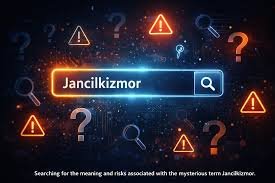
You’ve probably stumbled across something online that made you pause. Maybe it looked random, messy, or even suspicious. That’s exactly how I felt when I first saw qkfzzu1lbnvinhp4dlhz. It looked like someone mashed their keyboard. But here’s the truth: this string of characters carries more weight than you think.
In this article, we’ll break down what qkfzzu1lbnvinhp4dlhz really means. You’ll learn where it comes from, why it matters, and how to handle it safely. We’ll also cover the hidden risks you can’t ignore and the smart moves that turn confusion into confidence.
By the end, you’ll know exactly what to do if qkfzzu1lbnvinhp4dlhz appears in your life. No tech degree required. Just clear, honest talk.
What Exactly Is qkfzzu1lbnvinhp4dlhz? Let’s Demystify
At first glance, qkfzzu1lbnvinhp4dlhz looks like nonsense. But in many systems, such strings act as unique identifiers. Think of them like digital license plates. They help computers track data, sessions, or users without revealing personal information.
You might see qkfzzu1lbnvinhp4dlhz in a browser’s address bar. It could appear inside a log file or an error message. It may even show up in your email headers. The format is long and mixed-case, which often means it’s machine-generated. Humans aren’t supposed to memorize it. Machines are.
Here’s where it gets interesting. These identifiers are often harmless. But sometimes, they signal something deeper. For example, a unique string like this could be a tracking token. It could also be a session ID. In rare cases, it might be part of a security test or even a hidden attack.
So how do you tell the difference? That’s what we’ll unpack next.
The Positive Side: Why qkfzzu1lbnvinhp4dlhz Can Be Your Friend
Not everything mysterious is bad. In fact, structured identifiers like qkfzzu1lbnvinhp4dlhz solve big problems. Let’s look at the upside.
Improved Security and Privacy
When websites use random strings instead of your name or email, that’s a win. You stay anonymous. The system still works perfectly. So qkfzzu1lbnvinhp4dlhz might actually be protecting you.
Better Data Organization
Think about large databases. They need unique keys to avoid mix-ups. Without them, your payment might go to someone else’s account. These strings keep everything tidy and accurate.
Easier Troubleshooting
Tech support teams love identifiers. If something goes wrong, they search for qkfzzu1lbnvinhp4dlhz in their logs. Within seconds, they see what happened. That means faster fixes for you.
Custom Experiences
Ever notice how a website remembers your cart after you close the tab? That’s often thanks to a hidden token. So qkfzzu1lbnvinhp4dlhz could be the reason your online shopping feels seamless.
So yes, this strange-looking code can work in your favor. But there’s a catch. Not everyone uses these strings responsibly.
The Darker Truth: Risks You Should Not Ignore
Now for the uncomfortable part. The same type of identifier that helps you can also harm you. I’ve seen it happen more often than people expect.
Tracking Without Consent
Some companies embed identifiers like qkfzzu1lbnvinhp4dlhz in links or pixels. Then they follow you across the web. You never agree to it. You never even see it happening. That’s a serious privacy violation.
Session Hijacking
If a hacker gets hold of an active session ID, they can pretend to be you. Suddenly, they have access to your inbox, bank, or social media. The string itself isn’t malicious. But in the wrong hands, it’s a skeleton key.

Phishing Lures
Scammers sometimes send emails with long, random-looking strings. They hope you’ll get curious. “What is qkfzzu1lbnvinhp4dlhz?” you wonder. You click the link. That click lands you on a fake login page. Then they steal your password.
Data Leaks
Developers sometimes accidentally expose these identifiers in error messages or public code repositories. Once leaked, anyone can use them to impersonate real users. It’s a quiet but dangerous flaw.
So how do you protect yourself? Let’s get practical.
How to Handle qkfzzu1lbnvinhp4dlhz Like a Pro
You don’t need to be a cybersecurity expert. You just need a few smart habits. Here’s what I personally do when I spot an unknown identifier.
Step 1: Don’t Panic, But Don’t Click
First, take a breath. Most random strings are benign. But avoid clicking on them directly, especially in emails or pop-ups. Copy the text if you need to investigate. Never paste it into a random online tool.
Step 2: Check the Source
Where did you see qkfzzu1lbnvinhp4dlhz? If it’s on a trusted website you intentionally visited, it’s likely normal. If it arrived in an unsolicited message, treat it with suspicion.
Step 3: Search Safely
You can search for the string online. But use a private window. Avoid clicking on the first shady result. Look for official documentation or community forums. Sometimes, others have already flagged it as safe or dangerous.
Step 4: Clear Your Cache and Cookies
If you’re worried about tracking, clear your browser data. That removes many stored identifiers. Do this weekly. It’s a simple way to reset your digital footprint.
Step 5: Use a Reputable Security Tool
Modern antivirus and anti-tracking tools can flag suspicious tokens. They don’t catch everything, but they add a solid layer of defense. I use one, and it’s saved me more than once.
Real-World Examples: When Identifiers Go Wrong
Let me share a quick story. A friend of mine received an email with a long string similar to qkfzzu1lbnvinhp4dlhz. The subject said “Your account has been locked.” He almost clicked. Instead, he checked the sender’s address. It was a random Gmail account. That was the red flag.
Another example: a popular forum once leaked session tokens in its URLs. Users unknowingly shared qkfzzu1lbnvinhp4dlhz-style strings when copying links. Hackers exploited those links within hours. The forum had to reset thousands of accounts.
These aren’t rare edge cases. They happen every day. The difference is awareness. You’re now ahead of most people.
Common Myths About Random Identifiers
Let’s bust some false beliefs. You might have heard a few of these.
Myth 1: “It’s always a virus”
No. Most identifiers are neutral. They’re just data. A virus is a program. A string like qkfzzu1lbnvinhp4dlhz is just text. It can’t infect your device unless you act on it.
Myth 2: “Deleting it fixes everything”
Deleting a visible string doesn’t remove it from the server. The real risk is what the string represents, not the text itself. Focus on access, not appearance.
Myth 3: “Only hackers use these”
Absolutely false. Legitimate services use them constantly. Your bank, your email provider, your health portal. They all rely on unique identifiers.
Myth 4: “Longer means more dangerous”
Length doesn’t indicate intent. Some of the safest identifiers are very long. Some of the shortest can be the most harmful.
How Developers Should Handle Identifiers Like qkfzzu1lbnvinhp4dlhz
If you build websites or apps, this section is for you. Even if you don’t, it helps you understand what to expect from good services.
Never Expose Raw Identifiers in URLs
Putting session IDs in the address bar is risky. Users might share those links. Instead, store identifiers in secure cookies or headers.
Rotate and Expire
A good system changes identifiers regularly. It also sets short expiration times. That way, even if qkfzzu1lbnvinhp4dlhz leaks, it becomes useless quickly.
Encrypt When Possible
Encryption adds a second lock. Even if someone steals the identifier, they can’t read or use it without the key.
Log Access
Keep logs of who uses which identifier and when. This helps detect unusual behavior. It also aids in forensic analysis after an incident.
Educate Users
Don’t assume people understand random strings. Add tooltips or help sections. Explain that seeing qkfzzu1lbnvinhp4dlhz is normal in certain contexts. This reduces panic and support tickets.
Practical Steps for Everyday Users
You don’t need to become a privacy fanatic. Just weave these small actions into your routine.
-
Use a password manager. It reduces the damage if an identifier gets stolen.
-
Enable two-factor authentication everywhere possible.
-
Review connected apps and devices monthly. Remove what you don’t recognize.
-
Avoid public Wi-Fi for sensitive tasks. If you must, use a VPN.
-
Update your browser and operating system. Patches fix identifier-handling bugs.
-
Check for HTTPS before entering any login or payment info.
-
Log out of websites when you’re done, especially on shared computers.
These steps protect you not just from qkfzzu1lbnvinhp4dlhz but from a wide range of online threats.
What the Future Holds for Identifiers Like This
The web is moving toward better privacy. New standards like cookie alternatives and decentralized IDs are emerging. But random strings aren’t going away. They’re too useful.
What will change is how we manage them. We’ll see more user control. You might get dashboards that show you every active identifier tied to your account. You’ll be able to revoke them individually.
We’ll also see better transparency. Laws like GDPR and CCPA already push companies to explain why they use certain tokens. That trend will continue. Eventually, seeing qkfzzu1lbnvinhp4dlhz won’t feel mysterious. It’ll feel like a normal part of a respectful system.
But until then, your awareness is your best tool.
Frequently Asked Questions
1. Is qkfzzu1lbnvinhp4dlhz a virus?
No. It’s a text string, not executable code. It cannot infect your device on its own. However, it could be part of a malicious link or tracking system.
2. Should I delete qkfzzu1lbnvinhp4dlhz if I see it?
It depends. If it’s in a URL or cookie from a trusted site, leave it. If it appears in a suspicious email or pop-up, don’t click it. Clear your browser cache to remove stored identifiers.
3. Can someone track me with qkfzzu1lbnvinhp4dlhz?
Yes, if it’s a tracking token. Many ad networks and analytics tools use similar strings. You can limit tracking by using privacy tools like ad blockers or Firefox’s Enhanced Tracking Protection.
4. Why do some websites show long random strings in the address bar?
That’s often a session ID or a reference code. It helps the site remember who you are without using a login on every page. It’s usually harmless.
5. How do I know if qkfzzu1lbnvinhp4dlhz is dangerous?
Check the context. Did you initiate the action? Is the website legitimate? Does the string appear in a security warning? When in doubt, don’t interact. Search for the string using a private window and trusted sources.
6. Can I remove qkfzzu1lbnvinhp4dlhz from my browser?
You can clear cookies, cache, and site data. That will remove many stored identifiers. But some identifiers regenerate automatically. That’s normal.
7. Do all websites use identifiers like this?
Most do, yes. Even simple blogs use session cookies. Large platforms use many types of identifiers. They are foundational to how the web works today.
8. What’s the difference between qkfzzu1lbnvinhp4dlhz and a password?
A password is secret and chosen by you. An identifier like this is usually public or semi-public and generated by a system. You should never treat an identifier as a password.
9. Can hackers guess qkfzzu1lbnvinhp4dlhz?
Almost impossible. The string is long and random. Guessing it would take billions of years with current computers. The real risk is leaking, not guessing.
10. Should I share qkfzzu1lbnvinhp4dlhz with tech support?
Only if you trust the support channel completely. Even then, confirm why they need it. Legitimate support rarely asks for raw identifiers. They usually have better tools.
Conclusion: Stay Curious, Stay Safe
You came here wondering about qkfzzu1lbnvinhp4dlhz. Now you know it’s neither magic nor monstrous. It’s a tool. Like any tool, it can build or break depending on who holds it.
Remember the positives: privacy, organization, and faster fixes. But never ignore the risks: tracking
hijacking, and phishing. Your best defense is simple awareness plus a few consistent habits.